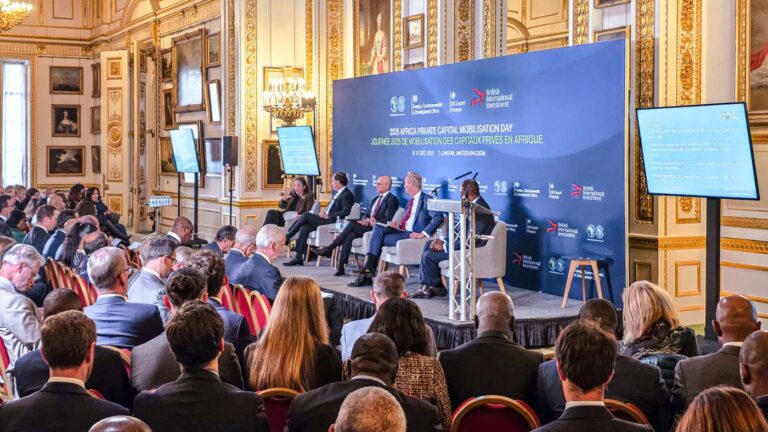
Hybrid working has changed how organisations communicate. Teams now collaborate across physical and remote environments. As a result, AV systems must support both equally.
Hybrid AV requires more than video conferencing. It demands careful system design across audio, video and control. Therefore, each element must work together seamlessly.
Audio quality is critical. For example, poor sound affects remote participants first. In addition, microphone placement and room acoustics directly impact clarity.
Camera systems also play an important role. They must provide natural viewing angles and consistent coverage. In many cases, intelligent tracking improves engagement.
At the same time, display systems must support clear content sharing. This ensures both in-room and remote users see the same information.
Ease of use remains essential. However, hybrid systems can become complex. Therefore, simple controls help users manage meetings confidently.
At RTS AV, we apply over 30 years of industry knowledge and skills to hybrid AV design. In addition, our AVIXA-certified team follows recognised best practices. We support clients across public sector, corporate, financial, legal and film studio environments.
As hybrid communication continues to grow, system design becomes more important. Ultimately, well-designed AV systems support effective collaboration.